Removal for unwanted or difficult palms
Palm Tree Removal Garden Grove
Get a plan for removing your palm safely. Get a Free Estimate
Removal for unwanted or difficult palms
Get a plan for removing your palm safely. Get a Free Estimate
Tall palms are a familiar part of the Garden Grove landscape, but they are not always easy trees to live with. A palm may become too tall for comfortable maintenance, decline, lean into an inconvenient area, drop heavy fronds or fruit, interfere with a renovation, or stand in a location that makes regular trimming increasingly difficult. When the long-term maintenance no longer makes sense, removal can provide a permanent solution.
Palm removal is highly dependent on height and surroundings. A palm in an open front yard can be far more straightforward than one rising between a house and block wall, beside a pool, over a patio, or near neighboring property. We look at the trunk, crown, lean, access, and space beneath the palm before deciding how the removal should proceed.
Even though many palms have a simpler canopy than broadleaf trees, the material is still heavy and the trunk can be substantial. The safest practical method depends on whether sections can be dropped into an open zone or need more controlled handling. Nearby roofs, fences, glass, vehicles, landscaping, and utility areas all change the plan.
We also consider how the cut material will leave the property. Long trunks and bulky fronds can create hauling challenges on homes with narrow side access, so debris movement is part of the planning process rather than an afterthought. To discuss a palm that has become difficult to maintain, call (714) 786-3832.
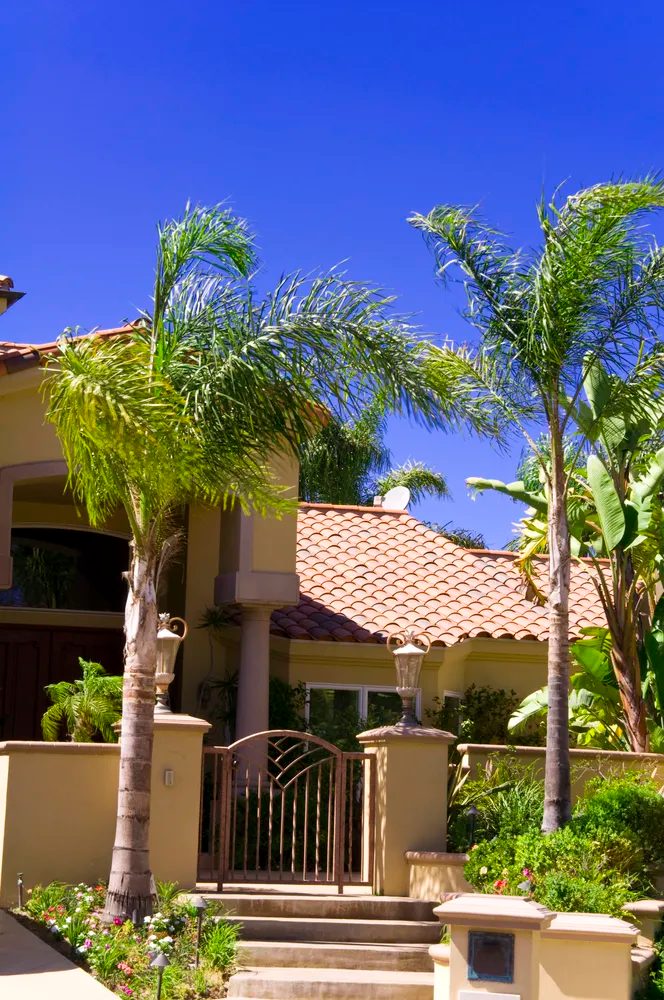
## Common Reasons for Palm Tree Removal Property owners often call when a palm has grown beyond the scale they want to maintain, when dead material is becoming a recurring concern, or when the tree conflicts with a roof, view, driveway, pool area, planned addition, or landscaping redesign. A palm may also be removed after serious decline or damage makes continued maintenance impractical. ### Removing Palms in Tight Yards Garden Grove and surrounding neighborhoods include many lots where palms were planted years ago in spaces that felt open at the time. As the palms grew and properties changed, some ended up boxed in by patios, walls, additions, and mature landscaping. These jobs require careful attention to the area directly beneath the trunk and crown. ### Tall Palm Removal Height affects equipment, setup, cutting sequence, and debris handling. The higher the crown and the more obstacles below it, the more planning the project generally requires. We review these conditions before setting the scope. ### Removal Versus Continued Trimming If a palm is healthy, well placed, and manageable, periodic trimming may be all it needs. Removal becomes more compelling when maintenance is frequent, access is difficult, the palm is declining, or the owner simply does not want to continue managing the tree.
Tall palms require a plan for safely handling both crown material and trunk sections. Height, open space, nearby structures, and access all influence the method.
A dead or severely declining palm can become less predictable as material dries and deteriorates. We assess the condition before planning the order of removal.
Palms beside pools, patios, block walls, sheds, and neighboring yards often need controlled sectional removal and a defined debris route.
Properties with several unwanted palms can often be planned as one coordinated project, with setup and debris handling organized across the group.
For commercial sites, we consider parking, customer access, signage, pedestrian areas, and operating schedules when planning the work zone.
| Service | Estimated Cost | Average |
|---|---|---|
| Short palm removal | $300–$750 | $500 |
| Medium palm removal | $600–$1,400 | $950 |
| Tall palm removal | $1,000–$2,800+ | $1,700 |
| Difficult-access tall palm | $1,500–$4,000+ | $2,500 |
Actual pricing depends on palm height, trunk diameter, crown condition, access, surrounding structures, equipment requirements, debris volume, and whether material can be handled in an open drop zone.
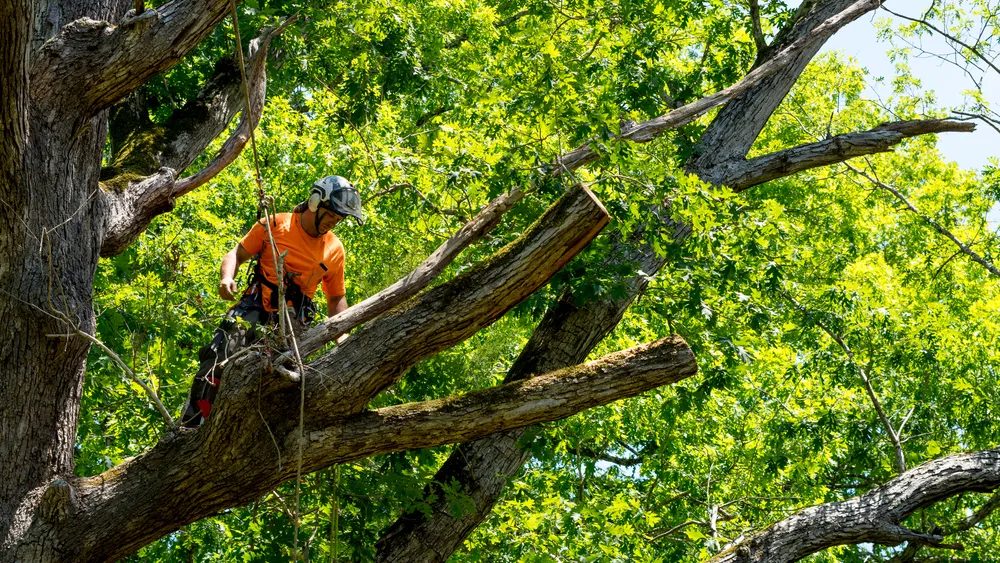
We account for crown weight, trunk sections, height, and the space directly beneath the palm.
Many palms stand beside patios, pools, roofs, and walls, so the work sequence is planned around what must remain protected.
Palm fronds and trunk sections are bulky, so we plan how material will leave the property before work starts.
If continued trimming is a practical option, we can explain the difference between maintaining the palm and removing it.
If a palm has become too tall, messy, difficult, or impractical to maintain, ask us about removal.
Free — no obligations
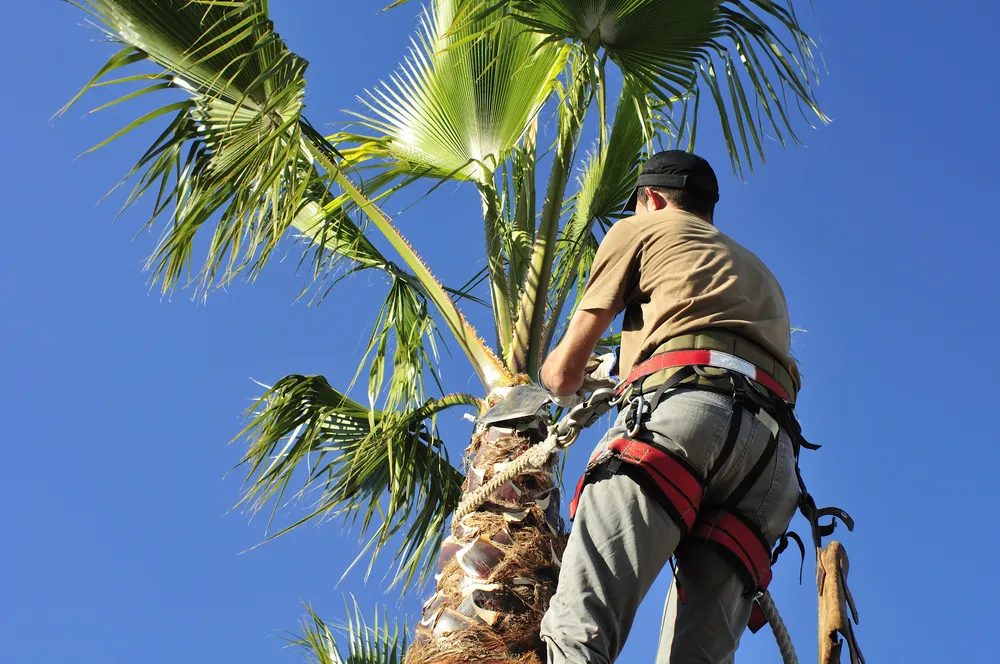
We consider height, lean, crown condition, trunk size, and the reason removal is being requested.
Roofs, pools, walls, landscaping, vehicles, neighboring property, and access routes are identified.
The plan is based on the space available for handling fronds and trunk sections.
Material is taken down in a controlled order suitable for the site.
Palm material included in the scope is consolidated and removed from the work area.